FISHER-ROSEMOUNT KJ4001X1-HC1 Interface Localbus Left Extender
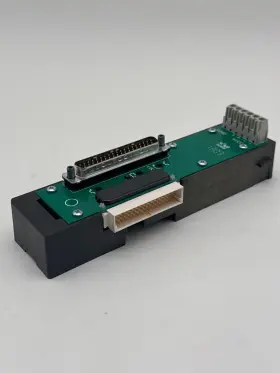
( Brand: Fisher-rosemount ), ( Manufacturer Part Number: KJ4001X1-HC1 ), ( Type: Extender )
Review FISHER ROSEMOUNT Interface Localbus Left Extender
The Fisher-Rosemount KJ4001x1-HC1 Interface Local Bus Left Extender is a versatile and essential device designed for expanding the reach of HC1 process fieldbus systems. This extender allows for seamless integration of sensors and actuators that are located farther away from the main bus without requiring lengthy wiring.
Measuring 1.5 inches (38.1 mm) in width, this compact extender is ideal for space-constrained installations. It features a robust and rugged design, with a temperature rating of -40 F to 158 F (-40 C to 70 C), making it suitable for use in various industrial environments.
The KJ4001x1-HC1 utilizes the HC1 Local Bus communication protocol, which enables high-speed data transfer and self-diagnostics between devices. It supports both 2-wire and 4-wire power supply configurations, allowing for greater flexibility in installation.
This extender is designed to withstand harsh industrial conditions, with a high degree of electrical isolation and a robust case design that protects against electromagnetic interference. It also includes built-in surge protection to safeguard against damage from electrical surges.
The KJ4001x1-HC1 Interface Local Bus Left Extender is easy to install, requiring minimal configuration and no software installation. It can be mounted directly to a DIN rail or surface-mounted using the included screws and mounting brackets. It also features a clear status LED, which indicates the power and communication status of the device, making troubleshooting simple and efficient.
In summary, the Fisher-Rosemount KJ4001x1-HC1 Interface Local Bus Left Extender is a reliable and versatile device for expanding the reach of HC1 process fieldbus systems. Its rugged design, compact size, and easy installation make it an essential addition to any industrial control system.
Pros and Cons of Buying Fisher-Rosemount KJ4001X1-HC1 Interface Localbus Left Extender
The Fisher-Rosemount KJ4001X1-HC1 Interface Localbus Left Extender is a device used to expand the capacity of HART communication networks. This extender enables the connection of additional HART devices to the existing bus without the need for additional power supply or communication drops. In this discussion, we will explore the advantages and disadvantages of investing in this device.
Pros:1. Enhanced Capacity: The primary advantage of the KJ4401X1-HC1 Interface Localbus Left Extender is its ability to expand the capacity of HART networks. This is particularly useful in industrial applications where a large number of devices need to be connected to the network.
2. Cost-Effective: This extender eliminates the need to install additional communication drops and power supplies, making it a cost-effective solution for expanding HART networks.
3. Improved Reliability: By reducing the number of communication drops and cables in the network, the KJ4401X1-HC1 Interface Localbus Left Extender helps improve the overall reliability of the system.
4. Easy Installation: The device is designed for easy installation and can be connected to the existing network without requiring extensive configuration or calibration.
Cons:1. Limited Compatibility: The KJ4401X1-HC1 Interface Localbus Left Extender is only compatible with Fisher-Rosemount HART devices. This may limit its appeal for users with a diverse range of devices from different manufacturers.
2. Potential for Signal Interference: Since the extender adds additional devices to the network, it may increase the risk of signal interference. Proper shielding and grounding of cables is essential to prevent this issue.
3. Limited Diagnostic Capabilities: The extender does not offer extensive diagnostic capabilities, which may make it difficult to troubleshoot complex network issues.
Conclusion:The Fisher-Rosemount KJ4401X1-HC1 Interface Localbus Left Extender offers several advantages, including the ability to expand HART network capacity, cost-effectiveness, improved reliability, and easy installation. However, it also has some limitations, such as limited compatibility, potential for signal interference, and limited diagnostic capabilities.
Based on the pros and cons presented, it is recommended that this device is a suitable investment for users with a predominantly Fisher-Rosemount HART device infrastructure who require additional capacity in their network. Users with a diverse range of devices or complex network requirements may want to consider other solutions with more extensive compatibility and diagnostic capabilities.
Details:
part #: kj4001x1hc1 prices
- $23.40-$333.00
specifications chompiserver:
- brand: Fisher-rosemount
- mpn: Kj4001x1-hc1
- type: Extender
seller chompiserver:
- # reviews: 6555
- rating: 99.7%
- city: Middletown, Ohio
offer chompiserver:
- started: October 24, 2025
- options: Ship-to-home
- best offers: True
- availability: In Stock
- quantity: 1
- sold: 0
payments chompiserver:
- other
- wallet: Google-pay
- credit card: Mastercard
general chompiserver:
- condition: Used
- Enterprise Networking, Servers > Servers, Clients Terminals > Computer Servers
returns chompiserver:
- paid by: Buyer
- time: 30 Days
- method: Money back
- policy: Returns Accepted
shipping chompiserver:
- transit: 3-6 Days
- carrier: UPS
- type: Calculated
- cost: $8.56
- class: Standard, One-day
- service: UPS Ground, UPS Next Day Air Saver, UPS Next Day Air
Fisher-rosemount KJ4001X1-HC1 Is Similar To:
- Fisher-rosemount Kj4001x1-hb1 Fisher-rosemount Interface Localbus Right Extender (94.3% similar) Part #: Fisher-rosemount KJ4001X1-HB1 for sale...(October 29th, 2025)
- Fisher-rosemount Kj4010x1-bf1 Fisher-rosemount Interface Localbus Left Extender (96.2% similar) Part #: Fisher-rosemount KJ4010X1-BF1 for sale...(October 30th, 2025)
